
Developing an XR performance to visualize social trauma

3 months
Toy Factory Theater
Interaction Design
Visual Technology
Director*1
Stage Design*1
Lighting Design*1
Costume Design*1
Interaction & Technology Design*1 (Yit)
[Overview]
"Bunny Kamikaze" is an immersive theater performance. The performance is inspired by a major societal incident in Taiwan—the random subway murders—and uses it to explore themes of collective trauma. The performance ran for a total of six shows, with over 1,000 attendees.
My role as the interaction designer and visual technology lead was to create motion content, set up multimedia system, and execute live performance. In this project, I collaborated closely with a cross-disciplinary team, including the director, designers, technical staff, and others.
[Performance Concept]
"This time, the audience can truly observe a game of pain happening to others."
The performance reflects on how collective trauma extends beyond direct victims. Even without direct involvement, online comments and media engagement make you a participant. The interplay of media, thoughts, and behaviors is the core theme driving the performance.

Environmental theater
In this performance, we abandoned the traditional proscenium stage for environmental theater, integrating the audience into the show. This transformed passive observers into active participants, making the performance more organic as the audience, actors, stage, and visuals collectively shaped the narrative.

[Video Concept]
Animations and jump-cut visuals
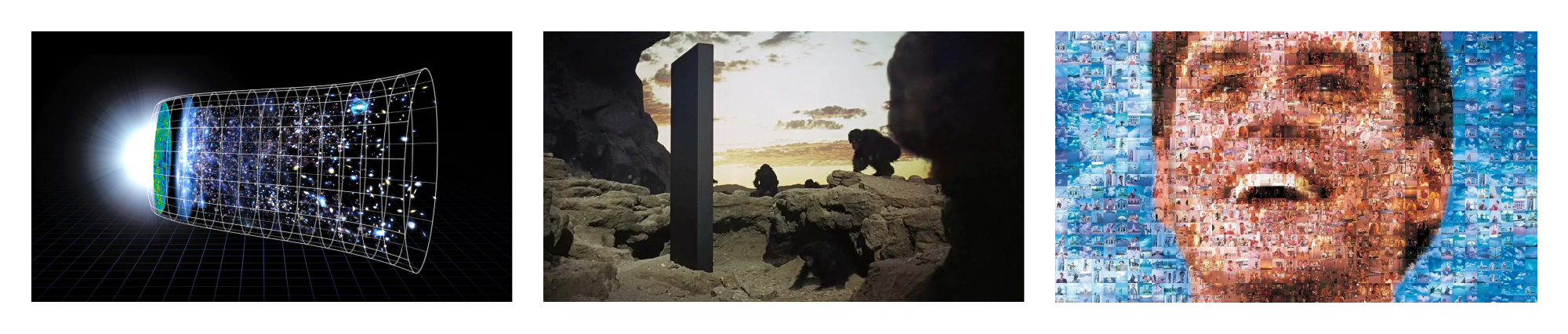
I used extensive animations and jump-cut visuals to show how information saturates our lives, subtly shaping our thoughts and actions. As we consume endless digital content—videos, ads, and news feeds—our perspectives expand, yet we paradoxically become more exclusive in our own echo chambers.

[Design]
Pre-visualizing the viewing experience
I started the design process with script analysis and storyboarding. Using reference images, I collaborated with the director, playwright, and actors to discuss how visuals could seamlessly integrate with the performance.

Planning the physical implementation of hardware system components
Building on this visual framework, I worked with the stage designer to evaluate the arrangement of projectors, screens, and stage design. I illustrated the hardware connections, helping her determine the spatial expansion needs.

Building a test environment
After confirming the feasibility of the visuals and technology, we designed a high-fidelity prototype, simulating the performance space using cubes and small screens. We conducted rehearsals to refine the setup before the final show.

[Delivery]
Interactive performance: Bunny Kamikaze
During the 120-minute show, the audience can freely move through designated areas, experiencing different storylines—unlike traditional performances where they remain seated. Rather than passively watching, they engage with dynamic actors, gunfights, and multiple visual installations, creating a seamless blend of virtual and reality.


Thanks for reading.